Why Insulated Rolling Steel Doors Save Philly Warehouses Money
Insulated rolling steel doors do more than close an opening. In Philadelphia warehouses and distribution centers, they cut heat loss in winter, reduce heat gain in summer, protect product, lower equipment runtime, and survive constant cycles on busy docks. That adds up to real savings for operations running along I-95, at the Navy Yard in 19112, near the Port of Philadelphia and Tioga Marine Terminal in 19134, and across industrial corridors in Bensalem, Levittown, and Camden. Facilities managers across Southwest Philadelphia from Elmwood and Eastwick to University City and 19143 tend to see the same pattern. High cycle counts and mixed-humid climate swings beat up uninsulated doors. Insulated rolling steel, when sized and specified for local wind and usage, pays for itself through lower energy waste and fewer unplanned outages.
Philadelphia sits in ASHRAE Climate Zone 4A, which means hot, humid summers and cold winters with frequent freeze-thaw swings. The city often sees dozens of freeze-thaw events in a season, which is rough on thresholds, brush seals, and slat joints. Summer brings long stretches above 90 degrees with high humidity, which drives infiltration through unsealed guides and undercut gaps. Insulated rolling steel doors tighten that envelope. The insulated slat pack and full perimeter weatherstripping limit the stack effect that pulls conditioned air out of the building, while heavier-duty bottom bars and hood seals reduce wind-driven leakage during storms that sweep up the Delaware River.
What makes an insulated rolling steel door different
A rolling steel service door is a curtain made of interlocking slats that wraps around a barrel above the opening. The curtain runs in steel guides on each side. An insulated rolling steel door uses slats filled with foam or built with a two-piece shell around an insulating core. The foam can be foamed-in-place polyurethane, which is a closed-cell insulation that resists heat transfer, or the core can be mineral wool, which is fiber insulation with high temperature resistance. The result is a curtain that resists heat flow better than uninsulated hollow slats. Better resistance means less energy loss through the opening when the door is closed.
On Philadelphia docks, insulated slats matter in two visible ways. First, they reduce sweating and frost along the interior face during winter, which keeps the dock zone safer and reduces ice at the threshold. Second, they cut radiant heat from the sun on south and west elevations during July and August, which lowers the temperature spike at the first two pallet positions by the door. Material handlers in places like 19145 and 19148 can feel the difference during peak summer shifts.
The door also includes a bottom bar, which is the weighted piece at the bottom of the curtain. On an insulated door, the bottom bar often carries a two-part bulb seal or a blade seal. A bulb seal is a compressible gasket that fills uneven gaps at the floor. A blade seal is a flexible strip that wipes the floor. Both reduce air infiltration at the sill, which is a big part of the energy savings story. Hood baffles at the top and brush or rubber seals in the side guides complete the perimeter. The guides themselves can be deep and include windlocks. A windlock is a feature that keeps the slat engaged with the guide under wind load so the curtain does not blow out during storms, which is important for exposed bays along the Delaware waterfront and sites near I-95 where gusts funnel down long service roads.
Why insulated rolling steel saves money in Philadelphia
Philadelphia warehouses see continuous door cycling. Food and beverage distributors in South Philadelphia, e-commerce hubs in 19154, and manufacturers in 19140 and 19124 run doors all day. Every open cycle exchanges conditioned indoor air with outdoor air. No door can stop that while open. Savings come from how fast the door opens and closes, how tight it seals when shut, and how long it stays shut between moves. High-speed roll-up doors help with cycle time. Rolling steel insulated doors, when matched with a smart operator and good dock practices, help with the other two points.
In winter, heated air rises and finds every gap. Rolling steel doors with insulated slats and proper side seals reduce that upward pull at the top of the opening. In summer, hot outdoor air tries to push in under pressure differences and wind. A tight bottom bar and guide seals cut that push. The net effect is lower runtime on unit heaters and rooftop units near the dock, and fewer hot and cold complaints from crews loading trailers on Dock 3 versus Dock 8. Many facilities also see fewer ice-ups on floor loops of hydronic heat around dock pits after upgrading to insulated doors with full perimeter weatherstripping.
Facilities in Center City edge zones like 19123 Northern Liberties and 19125 Fishtown, where older brick buildings retrofit to modern loading areas, face another issue. Masonry openings move a little as temperatures swing. A stiffer insulated curtain with proper guide spacing keeps the door tracking true through the season, which reduces slat damage. Uninsulated light-gauge slats can rack and crease under the same movement. Fewer damaged slats mean fewer emergency commercial door repair calls during peak weeks.
Thermal, structural, and operational features that matter
Thermal performance starts with the slat. A two-layer steel slat with a foamed-in-place polyurethane core resists heat flow better than a single-layer, non-insulated slat. The exact thermal resistance varies by manufacturer and slat design, but the performance jump over non-insulated slats is significant in mixed-humid climates. Where fire separation is needed, mineral wool cores pair with fire-rated assemblies. A fire-rated door is a door built and labeled to withstand fire exposure for a rated time when installed per listing. Where code calls for it, NFPA 80 governs installation, inspection, and testing of fire door assemblies. Many Philadelphia facilities use standard insulated rolling steel on the dock face and fire-rated rolling steel on interior walls that separate storage from egress corridors.
Structural performance comes from the guide depth, curtain thickness, and windlocks. Deeper guides give the curtain more engagement, which resists wind and negative pressure when a storm rolls up the river. Windlocks are small keyed features on the slats that grab the guide during wind load. They are common on exposed openings at the Navy Yard and in industrial parks along the Delaware River where nor’easters push sustained gusts across long fetch. For interior docks in sheltered yards, guides without windlocks often perform well and cost less.
Operational performance comes from the operator, controls, and safety devices. A commercial door operator is the motor and gearbox that lift and close the door. On a rolling steel door, it mounts at the head and drives the barrel with a chain or direct couple. Safety edges and photo eyes protect people and product during cycling. A safety edge is a pressure-sensitive strip on the bottom bar that stops or reverses the door if it hits an obstruction. Photo eyes are sensors that send a beam across the opening. If the beam breaks, the operator will not close the door. These are simple devices with big value on high-throughput docks along Aramingo Avenue and in 19135 Tacony where lift truck traffic is dense.
Insulated rolling steel versus insulated sectional doors
Many Philadelphia warehouses run insulated sectional overhead doors on some docks and insulated rolling steel on others. An insulated sectional overhead door is a door with hinged panels that travel on tracks into the building. Both reduce heat transfer when shut. The choice tends to come down to headroom, durability under abuse, and wind exposure. Rolling steel stores in a tight coil above the opening, which saves interior headroom. It also tolerates incidental bumps better because the curtain can flex across many slats rather than bending one big panel. Sectional doors can be faster to service for broken torsion springs and single-panel damage. Rolling steel often wins on long-term durability and security in urban areas like Port Richmond, Kensington, and Frankford where exterior exposure and tampering risk are higher. Many Philadelphia managers split the difference. They use rolling steel insulated doors on perimeter docks with street exposure and insulated sectional doors on interior docks and van positions.
Local cycles and climate shape failure patterns and savings
Philadelphia’s logistics corridor sets a high bar for door hardware. A typical dock position in a busy 19154 or 19116 operation can see hundreds of cycles per day. That load wears slat endlocks, drive chains, and sprockets. Summer humidity and heat above 90 degrees age weatherstripping and guide brush faster. Winter freeze-thaw swings stress aluminum thresholds and the concrete apron. Road salt splash from trailers moving off I-95 and the Schuylkill Expressway deposits on bottom bars and guides, which accelerates corrosion. Insulated rolling steel doors with galvanized or powder-coated components, stainless steel fasteners at the bottom six inches, and easily replaceable perimeter seals make maintenance predictable and less frequent.
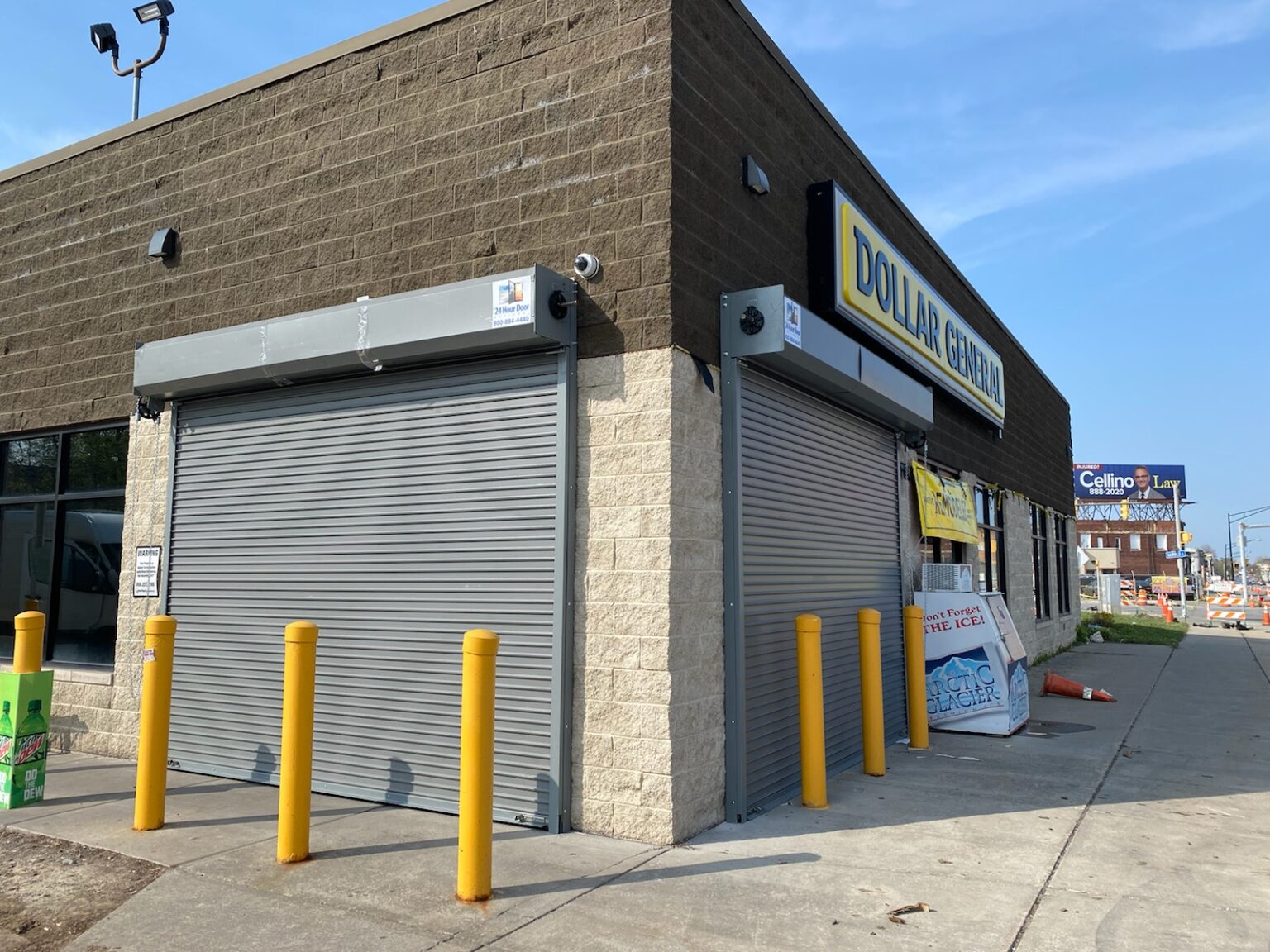
A shareable local note: Philadelphia regularly experiences a high number of freeze-thaw events in a typical winter season. That constant expansion and contraction of the threshold and dock pit area is a key driver of air gaps under older doors and damaged door sweeps. Upgrading to an insulated rolling steel door with a compressible EPDM bulb gasket at the bottom bar, which is a rubber-like seal that compresses to fill floor variations, typically closes those gaps better than a worn blade-only seal. That alone can cut cold air infiltration felt by pick lines within a few feet of the opening.
Where insulated rolling steel doors earn fast payback
In practice, the payback window depends on utility rates, hours of operation, and how many cycles happen per day. A general-market view shows that facilities with heated or cooled dock zones, long open times per cycle, and exposure to wind see the largest savings. Here are common Philadelphia cases that deliver quick returns:
- Buildings in 19112 at the Navy Yard with long, wind-exposed dock faces and fully conditioned storage. Food distribution in South Philadelphia and 19148 where dock curtains or dock shelters reduce exchange at the trailer, making the door seal the next weak point. E-commerce hubs in 19154 near the turnpike where long shifts keep dock doors closed for hours during off-peak, making insulation count. Historic brick conversions in Northern Liberties and Fishtown where irregular masonry openings need deeper guides and stout bottom bars to stabilize the seal line. Manufacturing in 19134 Tioga with process areas held to tighter temperature bands that suffer when infiltration spikes.
Facilities managers see additional soft savings. Fewer ice slicks at thresholds reduce slip incidents on early shifts. Quieter operation from insulated slats helps near office build-outs in mixed-use industrial properties in 19127 Manayunk and 19129 East Falls. Less temperature swing near the opening protects sensitive packaging on pallet tops.
Specifying insulated rolling steel for Philadelphia sites
The best results come from matching guide depth, slat type, windlocks, and seals to the opening, wind exposure, and use pattern. A Cornell or Cookson insulated curtain is a common fit for urban street-facing docks. These brands build slats with foamed-in-place cores and robust endlocks. Where higher speed is crucial, a high-speed roll-up from Rytec or Albany Doors often pairs with insulative features for certain lineside doors. For heavy van and tractor-trailer positions, a rolling steel insulated door with a conventional operator and advanced sealing usually delivers the right balance of speed, durability, and energy control. Hormann builds both rolling steel and sectional door solutions that appear across the region as well.
Controls also drive outcomes. A pull cord that operators yank from a lift truck can lead to long open times. Presence sensors and timers that auto-close after a safe, short delay tend to shrink air exchange. Photo eyes and monitored safety edges let the operator close confidently without risking product or equipment. That combination lowers kilowatt hours and gas therms at the meter. Many Philadelphia managers build these setpoints into standard operating procedures so every shift runs the door the same way.
Maintenance that preserves savings
Insulated rolling steel doors still need care. The curtain should track square in the guides. Bottom bar seals should compress at the sill without dragging so hard that the operator strains. Guide brushes and hood baffles should present a continuous contact path. Springs or counterbalance systems should hold the curtain in balance so the motor does not start under overload. A balanced door also reduces wear on sprockets and chains. In practice, quarterly inspection at high-cycle positions and semi-annual service at moderate positions work well across the Delaware Valley. Spring service prepares the door for summer heat that ages brush and rubber. Fall service checks for freeze-thaw points and replaces fatigued seals before the first hard frost.
On Philadelphia docks, a predictable pattern shows up. Bottom bar seals in street-facing bays soak in road salt and grit by February. Replacing those seals, cleaning the guides, and checking endlock fasteners lowers winter failure rates and preserves the air seal. Operator gearbox oil should be checked per manufacturer recommendations. Safety devices, including photo eyes and edges, must function correctly. OSHA lockout and tagout procedures apply during service work to keep crews safe. Pulling this maintenance on schedule costs less than responding to an overnight outage in 19106 or 19107 when a stuck door stalls morning deliveries.
How insulated rolling steel affects dock equipment performance
Dock levelers and seals do their part, and the door should meet them without gaps. A dock leveler is the platform that bridges from the dock to the trailer. It can be mechanical, hydraulic, or air-powered. A dock seal or shelter is the foam or fabric interface follow this link that seals the trailer to the building. When the door sits down tight against the leveler lip emergency commercial door repair with a solid bottom seal, the system performs as intended. If the door stops short or the seal is worn, air pumps through that path and undercuts the value of insulated slats. Many sites along Torresdale Avenue and Cottman Avenue run insulated rolling steel doors with dock shelters. Together they reduce infiltration enough that the nearest unit heaters cycle fewer times per hour on cold mornings. That saves fuel and extends heater life.
Upgrading from uninsulated to insulated: what to expect
Most existing rolling steel doors in older Philadelphia buildings can upgrade to insulated replacements with the same or similar guide spacing. The headroom often stays the same, as the curtain still coils on a barrel. Operators are frequently reusable if they have capacity for the slightly heavier insulated curtain. If not, a new operator sized to the door weight and cycle count installs with minimal change to the electrical feed. A typical project starts with measurement of the opening, guide type, headroom, wind exposure, and cycle rate. The crew then proposes a door and seal set. In many cases, the work completes in one mobilization for a direct replacement. When the guide footprint changes or the masonry needs repair, a two-visit approach aligns the opening, sets the guides, and then hangs and commissions the curtain.
General-market pricing for insulated rolling steel doors varies with size, wind rating, operator type, and fire rating where required. The range can be wide. An on-site estimate is the only way to set an accurate number and scope. Many managers evaluate total cost of ownership rather than first cost. They look at projected energy savings, reduced emergency calls, and longer seal life. On Philadelphia docks with exposure to wind and heavy cycle counts, the long-term math tends to favor insulated rolling steel over uninsulated versions.
Integration with access control and life safety
Some Philadelphia operations tie dock doors into access control. An electric strike is an electrified latch that holds a lockbolt and releases on signal. That hardware is more common on pedestrian doors. Rolling steel doors use different controls, including interlocks with vehicle restraints and dock levelers. The goal is to prevent unsafe sequences, like leveler deployment before the door is open, or trailer release before the door is shut. Where a rolling steel door serves a fire separation, NFPA 80 requires annual testing. Where the door is part of an egress path, NFPA 101 Life Safety Code and the Philadelphia Building Code apply. Most dock doors do not serve as egress, but interior fire-rated rolling steel doors often do, which is why labeling and test documentation matter during inspections by the City of Philadelphia Department of Licenses and Inspections.
Brand landscape seen across Philadelphia docks
Cornell and Cookson are frequent rolling steel names across the region. They provide insulated curtains with durable endlocks and guide systems that handle wind exposure near the river and in elevated sites along the Roosevelt Boulevard corridor. Hormann builds insulated rolling steel and sectional solutions used in both new construction and replacements in West Chester, Exton, and King of Prussia. High-speed roll-up doors from Rytec and Albany Doors appear in fast lanes where thermal separation and rapid cycling both matter. Sectional door alternatives remain common in smaller bays and interior docks, but the shift toward insulated rolling steel for street-exposed and long-service openings continues in Center City edge zones and South Philadelphia industrial blocks.
Common repair calls and how insulation changes the pattern
Emergency calls on uninsulated rolling steel doors often trace to blown-out slats during wind events, bottom bar seal failures that lead to ice at thresholds, or operators straining against out-of-balance curtains. Insulated doors with windlocks reduce blow-out. Heavier bottom bars with EPDM bulb gaskets hold the seal line better on uneven aprons. Balanced counterbalance systems share the load with the operator. The net result is fewer off-hours lockups. For facilities near 19102 and 19103 where loading happens in tight alleys, a door that closes with a smooth, quiet motion also reduces neighbor complaints and avoids attention on third shift.
What to ask for during an insulated rolling steel door upgrade
Ordering by dimensions alone misses key details. Local exposure, cycle rate, and integration with dock equipment shape the result. Facility and operations managers around Philadelphia push for specifications that fit their site. The following items help align door performance with savings goals:
- Insulated slat type suited to exposure and code, including foamed-in-place cores for energy efficiency or mineral wool where fire resistance is required. Guide depth and windlocks based on wind exposure, especially near the Delaware River and at the Navy Yard. Perimeter seals that include side brush or rubber, hood baffles, and a compressible bottom bar gasket to manage uneven thresholds caused by freeze-thaw. Operator sizing for cycle rate with safety devices, including monitored photo eyes and a pressure-sensitive bottom edge, plus auto-close timers to reduce open time. Corrosion-resistant components at the lower six inches to fight road-salt splash common on docks near I-95 and the Schuylkill Expressway.
Philadelphia context that shapes every dock door decision
The Port of Philadelphia, Tioga Marine Terminal, and the I-95 corridor concentrate heavy logistics traffic through 19134, 19140, and 19124. The Navy Yard in 19112 hosts large single-tenant buildings with long runs of dock positions exposed to wind. The Far Northeast in 19154 holds e-commerce hubs with high cycle counts and night operations. Each pocket brings different wear patterns. Road salt and urban grit beat up bottom bars in South Philadelphia. Freeze-thaw at old brick openings shift guides in Northern Liberties and Fishtown. Long sun exposure on west elevations warms slats and brush seals in the late afternoon along City Avenue and in Conshohocken and King of Prussia. Insulated rolling steel doors matched to each microclimate save energy and avoid nuisance failures caused by poor fit to the local environment.
Why this matters to Philadelphia operations
The stakes are measurable. The closer a Philadelphia dock door holds to a tight, insulated seal when shut, the less conditioned air leaks out and the more stable the zone feels for crews and product. The city’s mix of summer heat above 90 degrees and winter cold snaps below 20 degrees, often within the same twelve-month stretch, drives weatherstripping fatigue and guide movement that weak doors cannot handle. Insulated rolling steel doors with the right slat pack, windlocks, and seals stand up to that cycle. The result is lower energy waste, fewer off-hours service calls, and better working conditions at the dock. For warehouse and logistics leaders who live by throughput and uptime, those are savings they can bank.
Service details for insulated rolling steel doors across the Delaware Valley
Philadelphia facilities often need more than a door. They need a contractor who can size, install, and service rolling steel doors, sectional doors, and the dock equipment that surrounds them, on a schedule that respects dock availability. That means stocked parts, fast response on outages, and crews who understand how doors interact with levelers, seals, vehicle restraints, and traffic patterns. It also means service coverage across 19142 in Elmwood where the dispatch point sits, through Center City zips like 19102 and 19103, Old City 19106, Washington Square West 19107, Northern Liberties 19123, Fishtown 19125, Fairmount 19130, Graduate Hospital 19146, Queen Village and Bella Vista 19147, South Philadelphia 19148, University City 19104, Tioga 19140, Kensington 19134, Frankford 19124, Mayfair 19149, Bustleton 19115, Somerton 19116, Far Northeast 19154, and out to King of Prussia 19406, Conshohocken 19428, Bala Cynwyd 19004, Bensalem 19020, Media 19063, and Cherry Hill 08002.
Why Philadelphia businesses call A-24 Hour Door National Inc.
A-24 Hour Door National Inc. Is a Philadelphia-based commercial door contractor anchored at 6835 Greenway Ave, Philadelphia, PA 19142. The company serves warehouses and logistics sites across the city and the wider Delaware Valley with 24/7 emergency response. Service trucks arrive stocked with rolling steel and sectional door hardware, perimeter seals, dock door parts, and operators to complete most common repairs in a single visit. OEM replacement parts back every repair, and technicians carry the field experience to size and install insulated rolling steel doors that fit Philadelphia exposure and cycle patterns. The same team handles commercial door repair, commercial door installation, dock leveler service, and overhead sectional and rolling steel door work for multi-site portfolios from the Navy Yard to Bensalem to Wilmington.
The operation holds Pennsylvania contractor license #PA078819 and brings more than 30 years in the commercial door service market. For automatic door work on office and healthcare entrances in mixed-use sites, AAADM-certified technicians handle Record USA, Stanley, Besam ASSA ABLOY, and Horton systems under ANSI A156.10 and A156.19. While automatic sliding door repair is a separate service line from dock work, it matters for facilities with both front-of-house and back-of-house needs. The company’s factory familiarity spans Kawneer, Vistawall, Tubelite, YKK AP, and US Aluminum on storefronts, and well-known dock and overhead brands including Cornell and Cookson rolling steel, Hormann commercial garage doors, and high-speed doors from Rytec and Albany Doors.
Philadelphia managers look for a dependable contact who will answer at 2 a.m. For an outage in 19106, or schedule a measured commercial door installation for an insulated rolling steel upgrade at a 19112 Navy Yard facility, or dispatch emergency commercial door repair when a street-facing dock is stuck open on a windy night in 19148. A-24 Hour Door National Inc. Was built for that job. Call (215) 654-9550 or the national line at (800) 884-4440 for immediate dispatch or to book a site assessment. Coverage includes Center City, Old City, Northern Liberties, Fishtown, Fairmount, University City, South Philadelphia, East Passyunk, Queen Village, Bella Vista, Graduate Hospital, Point Breeze, Port Richmond, Kensington, Frankford, Mayfair, Bustleton, Somerton, and the surrounding counties. OEM parts with a satisfaction guarantee, direct-dispatch local technicians, stocked service trucks, and documented door and dock expertise come standard on every call.